Handloom Clusters in Odisha - A Longitudinal Study
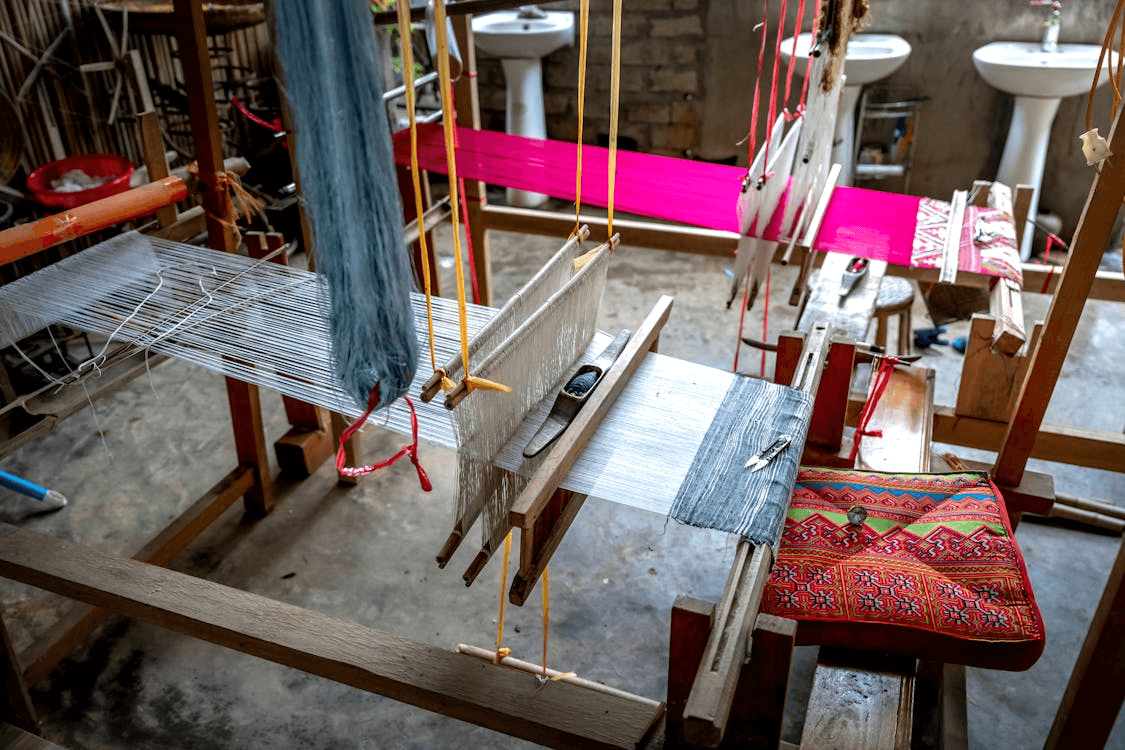
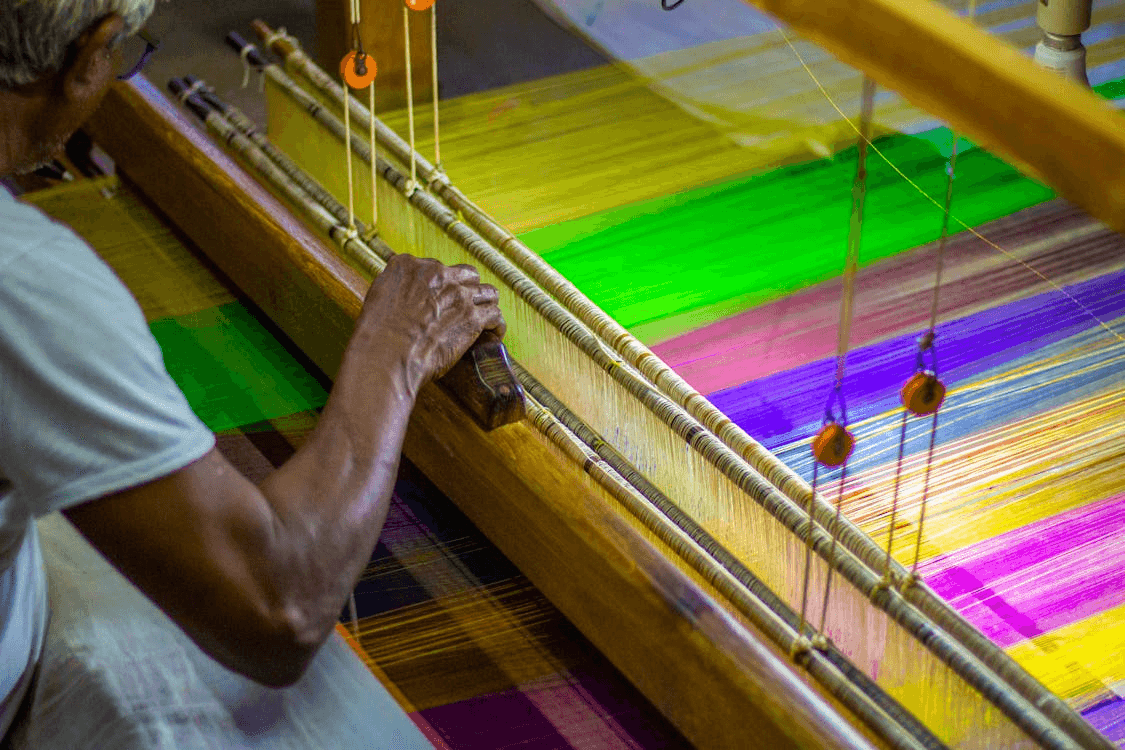
The project titled “Socio-economic Dynamics, Climate Change, Technological Innovation, and Marketing Challenges among Handloom Clusters in Odisha: A Longitudinal Study” is a comprehensive research initiative aimed at understanding the transmission, transformation, and potential loss of traditional weaving knowledge across generations within India’s vibrant handloom sector.
Year
2026
Domain
Research & Advocacy
SDG COVERED
8,10 & 17
Date Updated
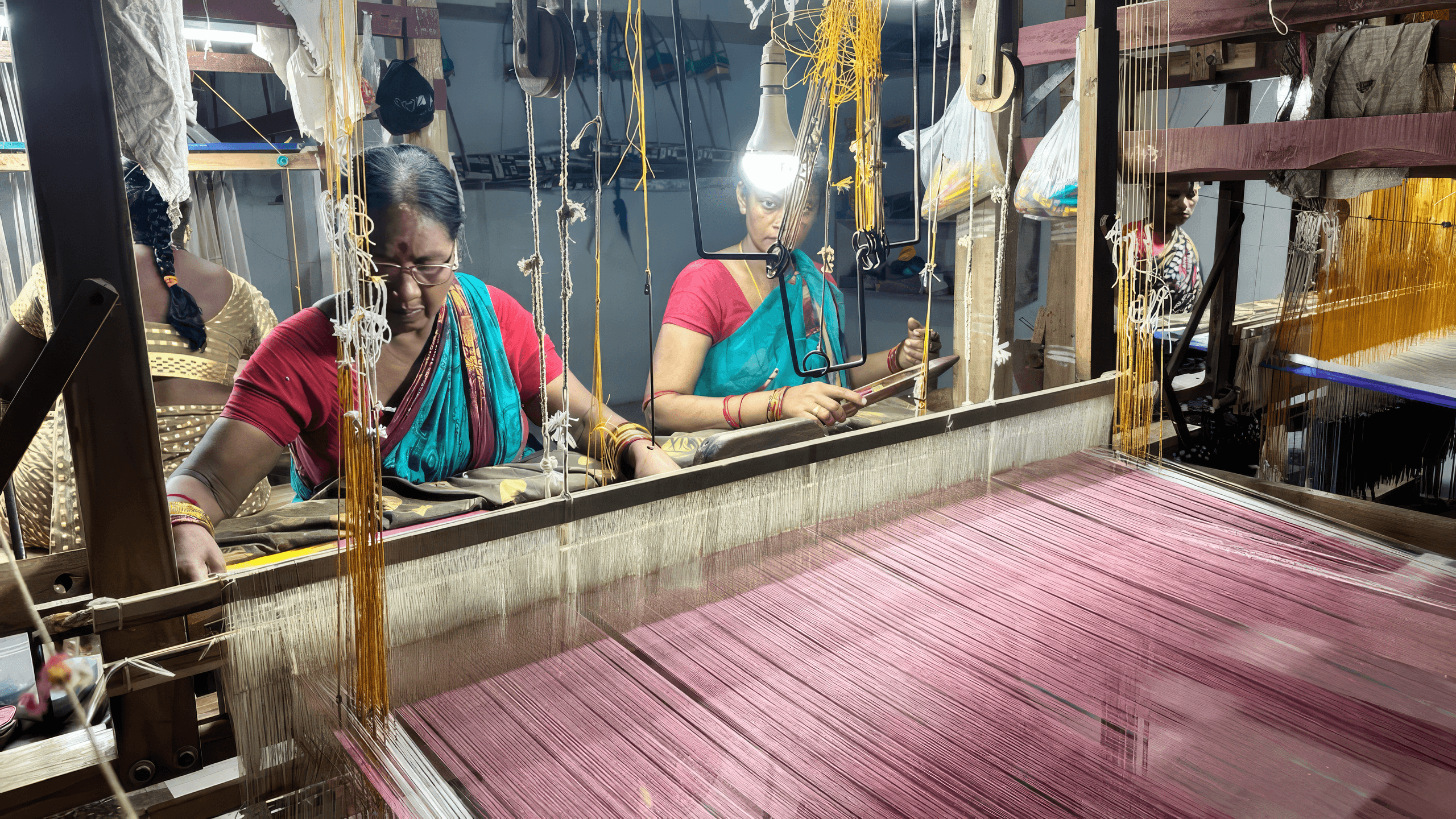
The handloom sector in the country India is not only a symbol of rich cultural heritage but also a cornerstone of rural livelihoods today. In the present scenario, it is often called second only to agriculture in terms of employment. According to the 4th All India Handloom Census (2019–20), there are 26.7 lakh handloom weavers and 8.5 lakh allied workers across the country, out of which women constitute 72% of the total handloom workforce, symbolizing women's empowerment. It also claims that this sector vital to women’s economic empowerment is a central theme of Sustainable Development Goal 5 (SDG 5). This goal allied with and broadly related to India’s vision of Viksit Bharat @2047. Therefore, it holds an immense potential for aligning grassroots employment with global market aspirations, embodied in the national call for “Voice for Local and Local for Global.” Despite its cultural and economic importance, the handloom sector faces a mounting crisis. The traditional weaving techniques, indigenous technologies, and design vocabularies which are inherent from generation to generation are now under threat. The intergenerational transfer of knowledge and practice for long the backbone of continuity in artisan communities is being weakened by youth disinterest. The very reasons for this are the outmigration, urbanization, and persistently low income in the sector. This project would try to provide evidence suggesting increasing labour outmigration from historically strong weaving communities, further undermining the sector’s sustainability.
Subject Area as per ICSSR List
Indigenous Technology Innovation and Development
Implementing Organization
Department of Analytical and Applied Economics Utkal University, Vani Vihar Bhubaneswar – 751004, Odisha, India
Team
Dr. Himanshu Sekhar Rout – Principal Investigator, Department of Analytical and Applied Economics, Utkal University
Dr. Arabinda Mishra – Project Director, Development and Environment Future Trust (DEFT), Bhubaneswar
Dr. Tapan Kumar Rout – Project Director, Textiles Committee, Ministry of Textiles, Government of India, Mumbai
Dr. Pramod Chandra Mishra – Former Expert Member, National Green Tribunal, Government of India
Dr. Anjali Dash – Project Director, Panchayat College, Bargarh (Sambalpur University), Odisha
Mr. Sudhir Kumar Mohapatra – Kappahi Far East Limited, Gurugram, Haryana
This study focuses on key handloom regions in Odisha, including Gopalpur, Kotpad, Sambalpur, and Bargarh, covering a total of 72 handloom clusters.
It examines how cultural heritage, livelihood practices, and indigenous skillsets are preserved, adapted, or eroded in the face of contemporary challenges such as industrialization, evolving market dynamics, and youth migration.
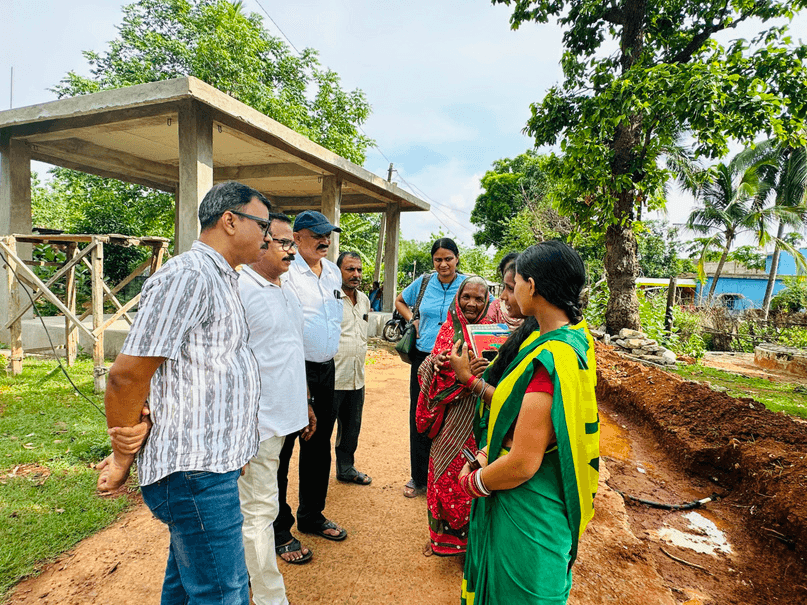
The research adopts a mixed-methods approach, integrating ethnographic fieldwork, structured surveys, stakeholder interviews, and visual documentation to capture the lived experiences of weaving communities. Particular emphasis is placed on the perspectives of women, youth, and marginalized groups. Additionally, the study evaluates the role of government policies, technological interventions, and cooperative frameworks in shaping the sector’s trajectory.
The project engages with the ongoing theoretical debate between modernization theory—which advocates for technological and institutional reforms for rural transformation—and alternative development paradigms, including Gandhian self-reliance and post-development critiques that caution against homogenized development models that overlook indigenous knowledge systems. In this sense, the research represents an intersection of theory and praxis.
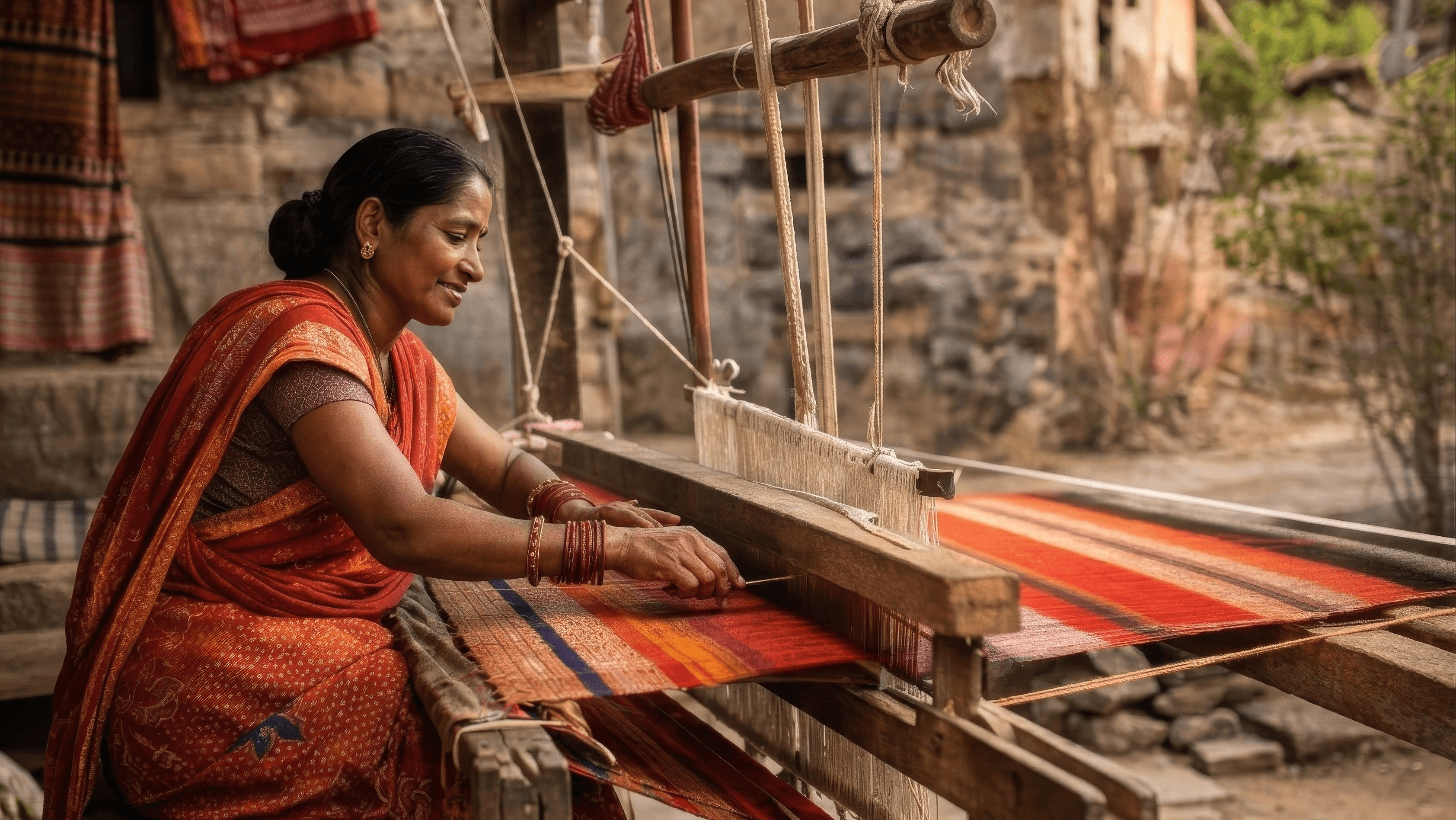
Beyond understanding rural economic structures, the study aims to explore how structural reforms in education, healthcare access, land distribution, and gender inclusion can be more effectively designed. By integrating field-based insights with theoretical analysis, the project contributes to a nuanced and actionable framework for policy-making focused on equitable and sustainable rural development.
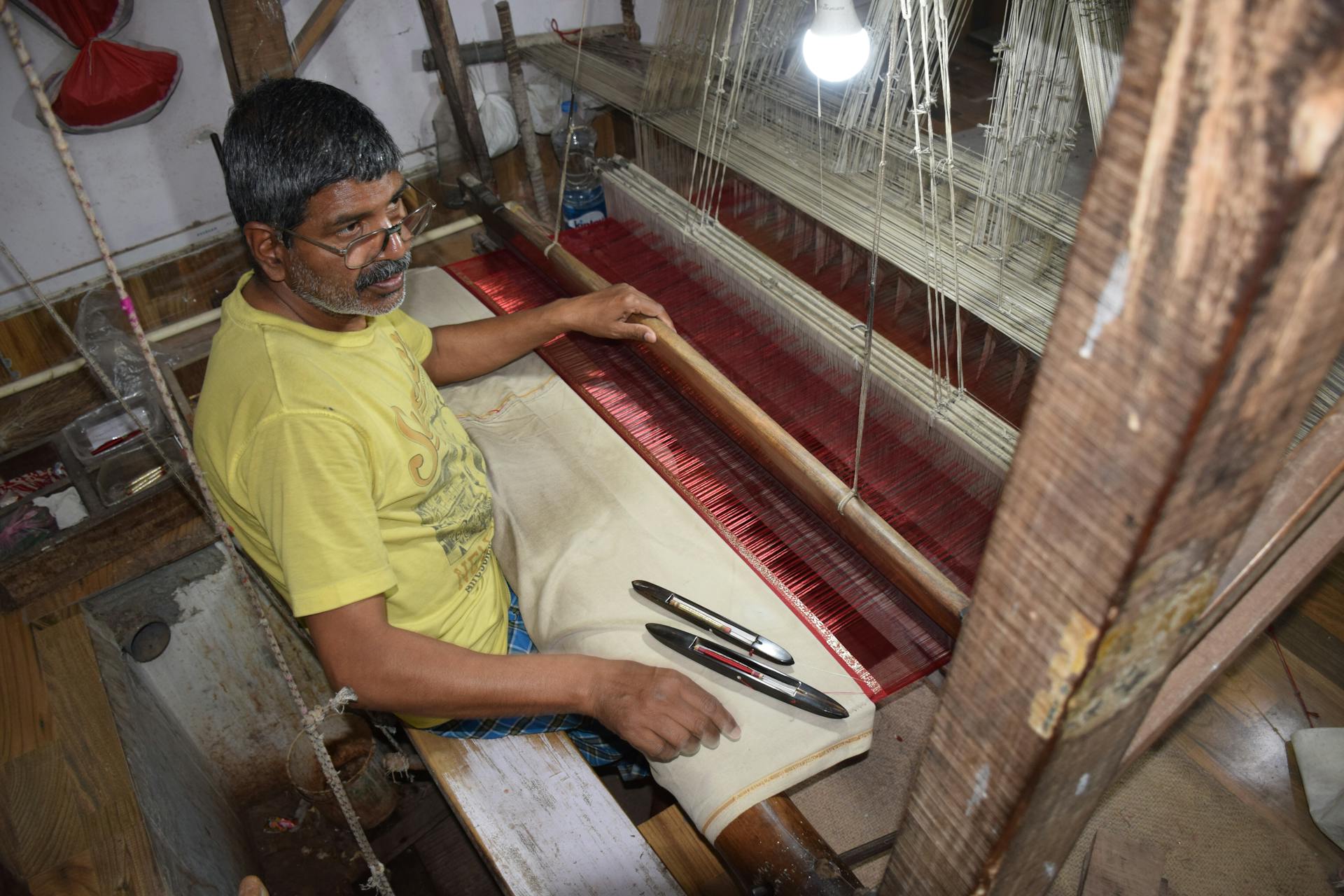
Supported by the Indian Council of Social Science Research (ICSSR) and hosted by the Department of Analytical and Applied Economics at Utkal University, the project also benefits from strategic collaboration with the Development and Environment Future Trust (DEFT). It contributes to academic discourse, policy formulation, and sustainable development strategies by bridging traditional weaving practices with contemporary innovations.
Ultimately, the study seeks to strengthen the resilience of India’s handloom heritage by preserving intergenerational knowledge systems and enhancing the socio-economic well-being of weaving communities.